 English
 العربية

How to Choose the Right Cladding for Your Building’s Facade
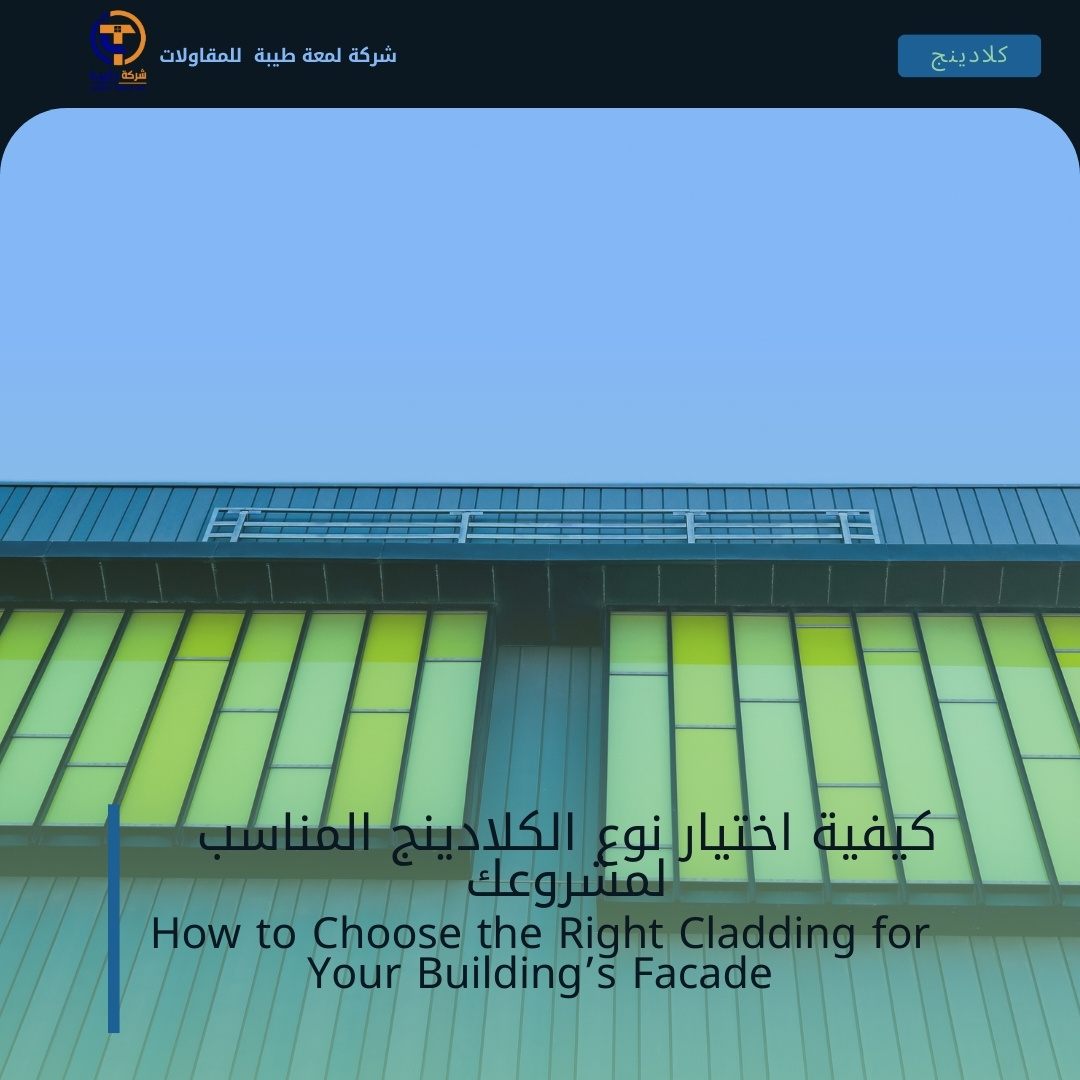
When designing a modern facade for your building, choosing the right type of cladding is a crucial step that affects the overall appearance, durability, and final cost of the project. Cladding is not just an exterior covering; it serves as a protective shield against environmental factors, enhances the building’s aesthetics, and reflects the design identity. Therefore, making a well-informed choice based on precise criteria is essential to meet your needs.
1. Identifying Project Requirements
Before selecting the type of cladding, you need to consider the nature of your project. Is it a residential or commercial building? Are you aiming for a luxurious look, or do you prefer a practical and cost-effective solution? These factors will help narrow down your options. For commercial projects, it’s often best to choose weather-resistant cladding with attractive colors that reflect the brand identity. For residential buildings, selecting cladding with good thermal insulation can help maintain indoor comfort.
2. Types of Cladding Materials
Cladding comes in various materials, each with its own advantages and disadvantages. Aluminum cladding is one of the most popular types, known for its lightweight nature, rust resistance, and ease of maintenance. Composite cladding (ACP), which combines aluminum and polyethylene, offers a modern look with excellent durability. There is also stone cladding, which gives buildings a classic and luxurious touch, but it is heavier and more expensive.
3. Thermal Insulation and Weather Resistance
It is crucial to choose cladding that can withstand different weather conditions. If your project is in a high-temperature area, selecting cladding with good thermal insulation properties can help reduce energy consumption. In humid or rainy regions, water- and rust-resistant cladding is necessary to ensure long-term durability.
4. Colors and Design
The choice of color and design plays a significant role in ensuring the building’s facade complements its surroundings. Some projects, such as shopping malls, require vibrant and eye-catching colors, while residential buildings typically feature softer, more classic tones. Choosing fade-resistant colors is essential, especially in areas exposed to strong sunlight.
5. Cost and Maintenance
While opting for the cheapest type of cladding might be tempting, it's important to consider long-term costs. Some cladding materials require frequent and costly maintenance, while others have a longer lifespan with minimal upkeep. Investing in high-quality cladding can be more cost-effective in the long run.
6. Hiring Professional Installers
Even with the best type of cladding, professional installation is key to achieving the desired results. It is essential to work with a specialized cladding installation company that has experience in delivering projects according to the highest quality and safety standards.
Conclusion
Choosing the right cladding for your project depends on several factors, including the type of building, materials used, thermal insulation, design, and cost. By carefully analyzing these factors and making an informed decision, you can ensure a durable and visually appealing facade that meets your needs. Don’t hesitate to consult experts before making your final decision to achieve the best results for your project.
Add New Comment